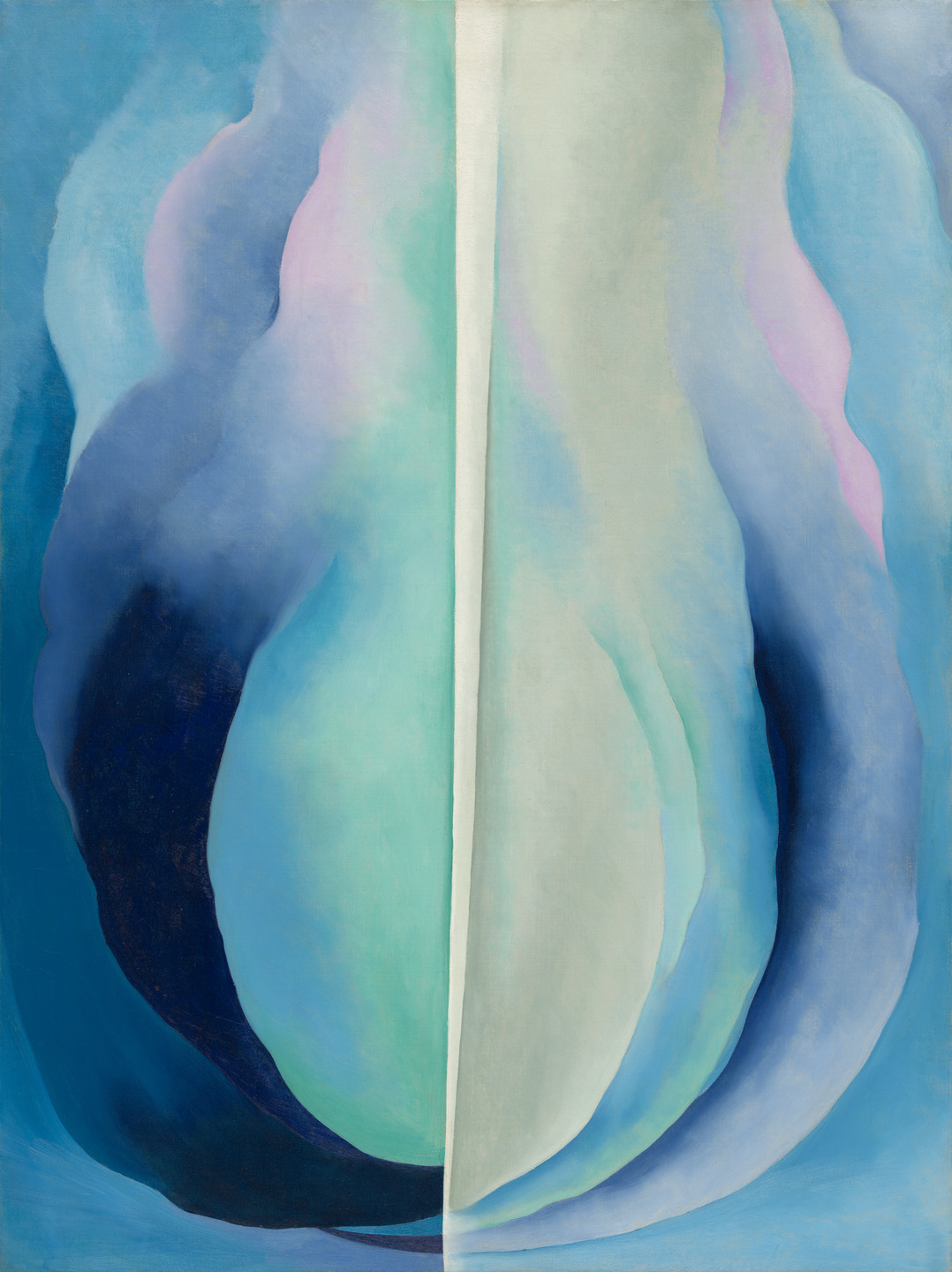
La respiración, su control, ser consciente de cómo el cuerpo se mueve con ella y a través de ella, no sólo me ancla sino que me trasciende. En días donde el sufrimiento aprieta tanto el pecho, el pranayama nos alivia, pero también nos hace conscientes de que no somos nuestras acciones, nuestros pensamientos ni nuestros sentimientos. Practicamos entonces el desapego a través del pranayama para acercarnos al Ser. No sé si algún día llegaré a ese estadio, pero el camino me llena y me hace quitarme máscaras. Abrir los pétalos, para llegar al centro y alcanzar, poco a poco, lo esencial.
Our actions are generated by our thoughts or unconscious reflexes, which in turn are modified by our emotions. As prana is transformed into emotion, it acquires qualities such as anger or love. It has been colored by the gunas at work in us (the illusory qualities of sattva, tamas, rajas). By the time feelings affect thoughts, prana has been transformed from its original pristine state. Our thoughts or unconscious reflexes become actions, with all kinds of karma repercussions.
Through the regular practice of pranayama, however, we learn how to tap into the quality-less form of prana, beyond the three gunas. When we connecct with that prana, it will carry us to back to satchitananda:Truth (sat), Knowledgee (chit) and Bliss (ananda).
This movement from action to pure energy, from unconscious to conscious, from lower to higher is symbolized by the lotus flower growing out of the muck and mire and ascending toward the Light. The sahasrara chakra, the crown chakra, is called the thousand-petaled lotus. Like the lotus opening to the sun, it opens to the Light of cosmic consciousness.
Shannon Gannon and David Life. Jivamukti Yoga. Practices for Liberating Body and Soul.
